


01
Locate — Understand where inventory lives
We start by mapping storage areas, item categories, warehouse zones, and stock movement points. The goal is to understand how inventory is stored, moved, and checked today.
Warehouse operations should not depend on guesswork, manual checking, or delayed stock updates. Warehouse Intelligence Platform helps companies monitor inventory movement, improve stock accuracy, and manage warehouse activity with clearer visibility.
Problem
Warehouses are becoming more important as businesses handle more products, more orders, and faster customer expectations. When stock data is not accurate, teams can make the wrong decision, orders can be delayed, and customers may not receive what they need on time.

This matters because inventory problems directly affect cost, productivity, and customer satisfaction. Companies need better visibility into what is available, where items are located, how stock moves, and when action is needed. A smarter warehouse platform helps teams reduce manual work and make better operational decisions.
Our Approach
Warehouse Intelligence Platform is Randstack’s solution for helping companies manage warehouse operations with better visibility and control. Based on Randstack’s Pupuk Storage experience, this solution helps businesses monitor inventory activity, track stock movement, and understand warehouse performance more clearly.
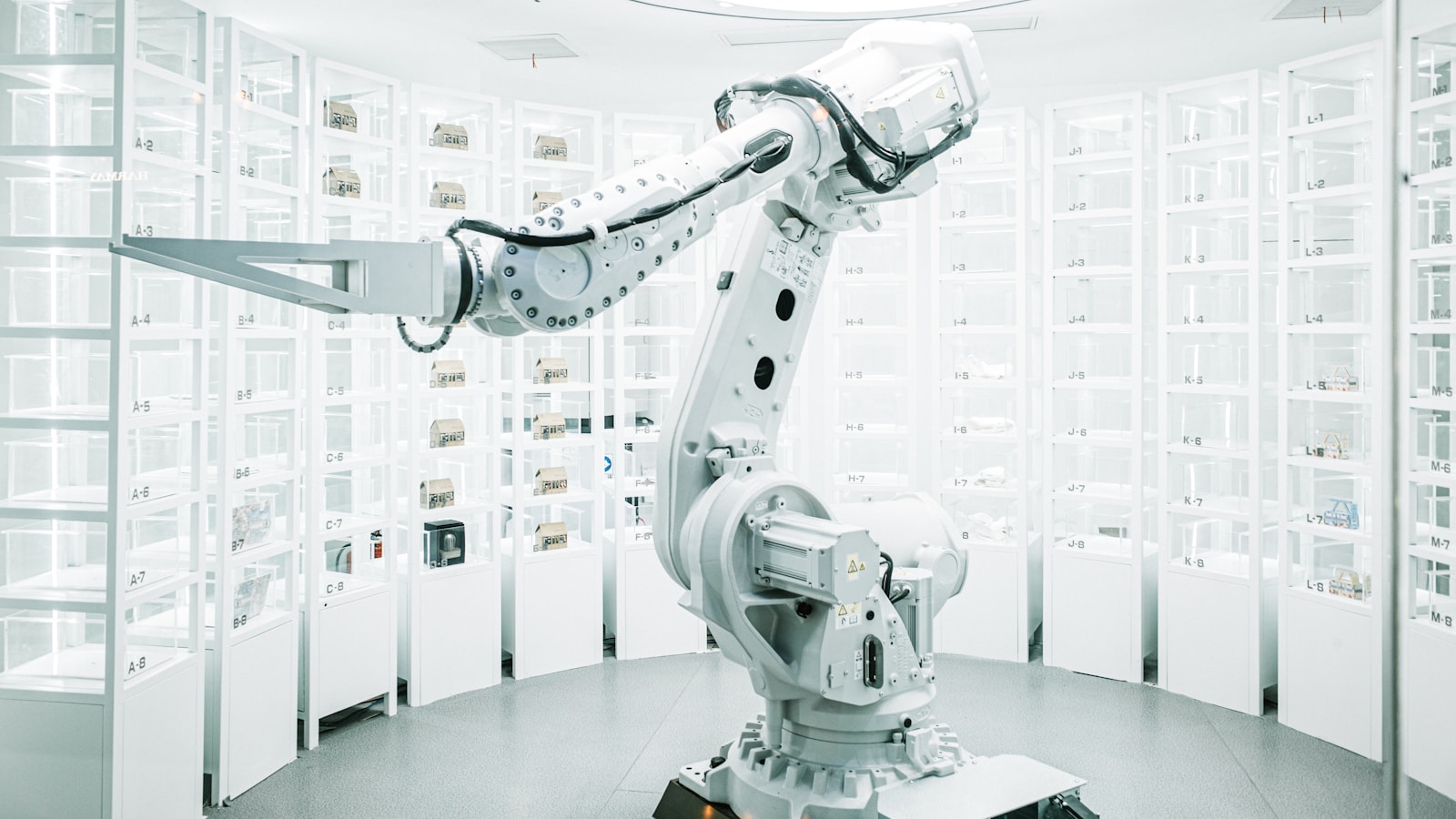
The platform is useful for companies that manage large stock volumes, multiple storage areas, distribution activity, or field-based inventory operations. It helps teams move from manual inventory handling into a more structured and measurable warehouse process.
Why
Companies use Warehouse Intelligence Platform because warehouse issues are often discovered too late. Stock may be missing, duplicated, misplaced, or recorded incorrectly, and teams may only notice the problem when an order cannot be fulfilled.
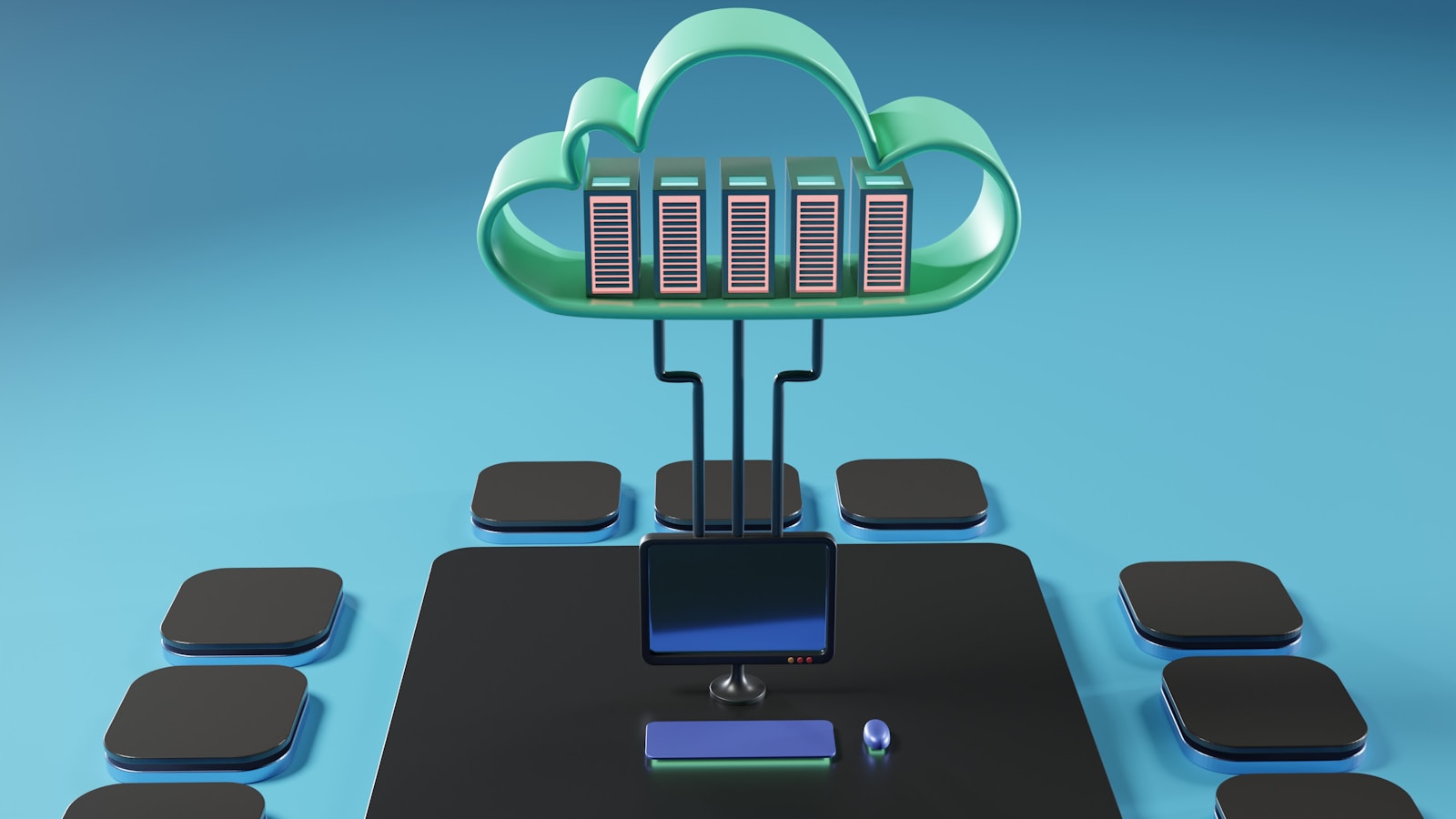
This solution helps companies improve warehouse accuracy, reduce operational waste, and support faster decision-making. With clearer inventory visibility, teams can plan better, reduce unnecessary stock holding, and improve the flow from storage to distribution.
Stockout Risk
Reduced
via real-time critical-stock alerts
Early flagging of critical inventory levels lowers the risk of running out of key stock across warehouses.
Distribution Planning Efficiency
Improved
map-based cross-region visibility
Supports better allocation decisions and reduces logistics inefficiency between storage sites.
Manual Reconciliation Time
Reduced
manual reconciliation
Centralized dashboard replaces warehouse-by-warehouse manual stock reporting.
Methodology
01
We start by mapping storage areas, item categories, warehouse zones, and stock movement points. The goal is to understand how inventory is stored, moved, and checked today.
02
We define how inventory should be recorded when it enters, moves, or leaves the warehouse. This helps reduce missing updates and creates a clearer view of stock activity.
03
We help create more consistent workflows for stock checking, receiving, distribution, adjustment, and reporting. This helps teams reduce manual mistakes and follow the same operating standard.
04
We use warehouse data, dashboards, and performance signals to help teams understand stock levels, movement patterns, slow-moving items, and operational bottlenecks.
05
After launch, we review warehouse performance, user feedback, stock accuracy, and recurring issues. This helps the platform improve over time as warehouse needs grow or change.
Result
Warehouse teams can lose trust in inventory records when actual stock does not match what the system says. These gaps can lead to missed fulfillment, unnecessary purchases, and time wasted checking the same items again. Warehouse Intelligence Platform helps reduce mistakes between actual stock and recorded stock data.
Inventory checking often depends on repeated manual counts, paper notes, spreadsheets, or delayed reports. This slows warehouse work and increases the chance of missed updates. Warehouse Intelligence Platform reduces dependency on manual checking by making stock activity easier to capture and monitor.
Teams may not have a clear view of where stock is located, how it moves, which items are available, and which areas need attention. Limited visibility makes warehouse decisions slower and less reliable. Warehouse Intelligence Platform helps teams see stock movement, warehouse activity, and inventory condition more clearly.
Items can become difficult to find when storage locations, movements, and adjustments are not tracked consistently. This creates wasted search time, delays distribution, and increases the risk of inaccurate records. Warehouse Intelligence Platform makes it easier to understand where items are stored and how they move.
Distribution can slow down when teams cannot quickly confirm stock availability, item location, or movement status. Delays in picking and preparation can affect delivery timelines and customer satisfaction. Warehouse Intelligence Platform supports faster stock preparation and movement from warehouse to delivery.
Warehouse teams can hold too much of one item while running short on another when stock needs are not visible enough. Overstocking increases storage cost, while understocking disrupts operations and fulfillment. Warehouse Intelligence Platform helps teams understand stock needs better and reduce unnecessary inventory costs.
Warehouse issues often require fast decisions about stock adjustment, replenishment, movement, or distribution priority. When information is delayed or unclear, leaders may act too late. Warehouse Intelligence Platform gives leaders better information to act faster when operational issues appear.
Contact Us
Let’s shape your idea into a focused validation track.