


01
Map — Understand the retail flow
We start by mapping how products move across procurement, warehouse, sales channels, stores, and delivery. This helps identify where stock errors, delays, or manual work usually happen.
Retail operations should be simple to manage, even when the business grows across stores, channels, and warehouses. Seedia RetailOS helps companies manage inventory, sales, orders, and stock movement in one connected platform, so teams can work faster and make better decisions.
Problem
Retail teams often deal with stock errors, slow updates, manual checking, and disconnected sales channels. When inventory data is not accurate, businesses can lose sales, overstock products, or fail to fulfill customer orders on time.
This matters because customers expect products to be available when they want them. If stock information is wrong, the customer experience suffers. Seedia RetailOS helps businesses create clearer visibility across inventory, orders, sales, and deliveries, so teams can respond faster and operate with more confidence.
Our Approach
Seedia RetailOS is Randstack’s retail and inventory management platform designed to help businesses track and manage inventory levels, orders, sales, and deliveries. It helps companies improve inventory accuracy, reduce manual work, and understand business performance through useful insights and dashboards.
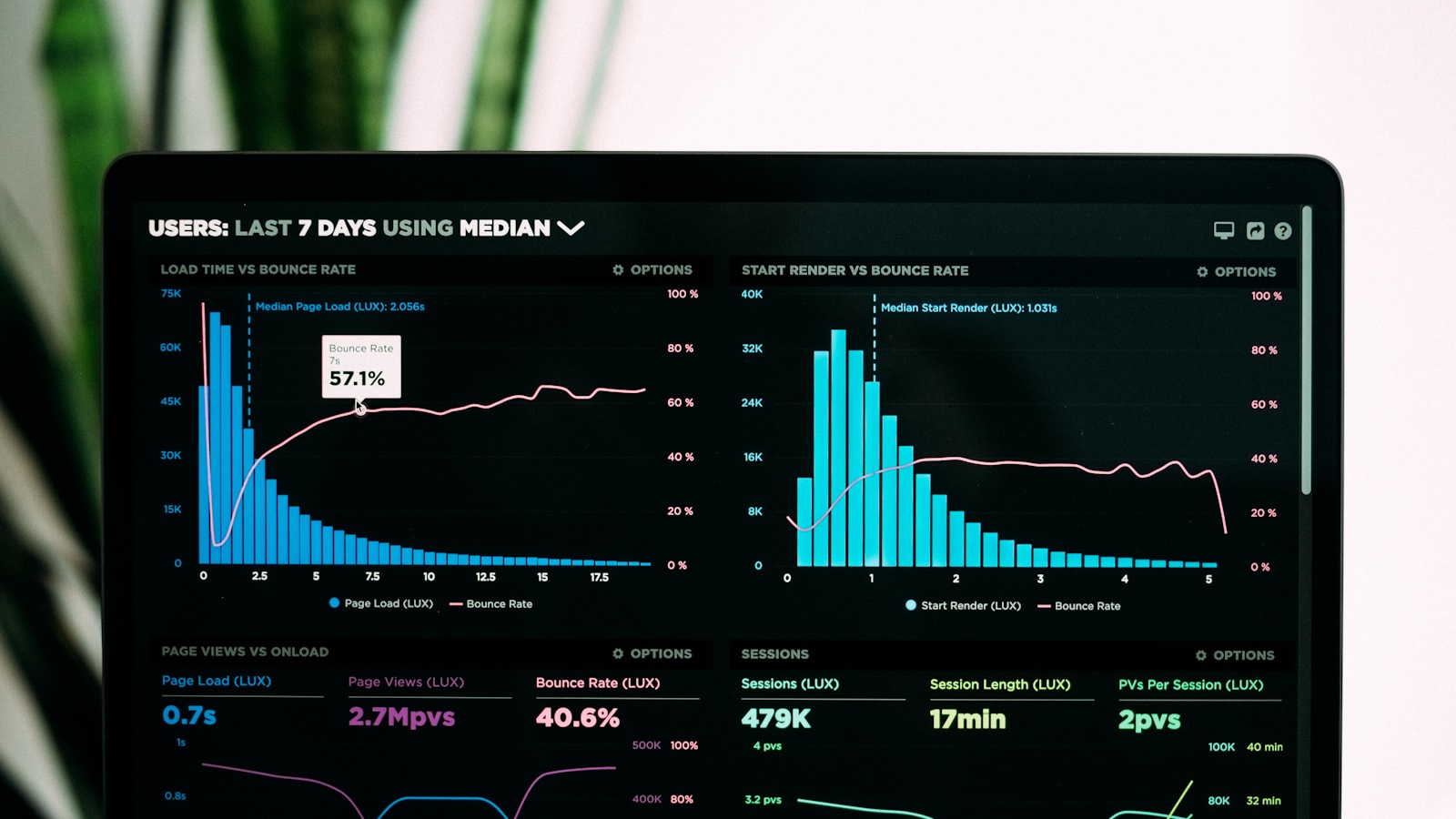
The platform supports key retail and operational modules such as procurement, production, distribution, stocking, sales, reconciliation, and stock request. It also supports barcode scanning, multi-channel integration, inventory forecasting, and real-time dashboard monitoring.
Why
Companies use Seedia RetailOS because retail operations become harder to control when data is spread across stores, marketplaces, warehouses, and internal teams. This solution helps bring those activities into one clearer operating system.
It helps businesses reduce stock mistakes, improve order fulfillment, avoid overstocking or understocking, and give customers a better buying experience. It also gives leaders better visibility into what is selling, what needs restocking, and where inventory performance can be improved.
Inventory Holding Cost
Reduced
over- and understocking
Better real-time visibility into stock levels helps avoid excess holding cost and lost sales from stockouts.
Administrative Time Saved
~75%
less manual recording
Automation reduces staff time spent on manual inventory bookkeeping and reconciliation.
Order-to-Fulfillment Speed
Faster
more consistent workflow
Connects procurement, production, distribution, stocking, and sales in one system, reducing handoff delays.
Methodology
01
We start by mapping how products move across procurement, warehouse, sales channels, stores, and delivery. This helps identify where stock errors, delays, or manual work usually happen.
02
We connect inventory data across relevant business channels, so teams can see more consistent stock information across online stores, physical stores, and marketplaces.
03
We help businesses set clearer workflows for stocking, sales, distribution, barcode usage, and inventory updates. This makes daily operations easier to manage and reduces human error.
04
We use reporting, dashboards, and forecasting support to help businesses understand demand, avoid overstocking, reduce understocking, and improve reorder planning.
05
After the system is running, we review performance, add improvements, and support new operational needs as the business grows across more products, branches, channels, or warehouses.
Result
Inventory records can become inaccurate when stock movements, sales, returns, and warehouse updates are not recorded consistently. This can cause teams to sell unavailable products, miss reorder timing, or make decisions based on unreliable data. Seedia RetailOS helps reduce stock errors by keeping inventory records more updated and consistent.
Retail teams often spend too much time counting stock, checking shelves, updating spreadsheets, and confirming availability manually. This slows operations and increases the risk of human error. Seedia RetailOS reduces manual counting, recording, and updating through a more structured inventory process.
Poor stock planning can leave businesses with too much inventory in one area and too little in another. Overstocking ties up capital and storage space, while understocking causes missed sales and unhappy customers. Seedia RetailOS helps businesses understand demand and plan stock levels more carefully.
Retail operations become harder to control when stores, online channels, and marketplaces do not share the same stock view. Teams may need to update each channel separately, which creates delays and inconsistent availability. Seedia RetailOS supports inventory synchronization across channels so teams can manage sales with more confidence.
Orders can be delayed when teams cannot quickly confirm stock, prepare items, or coordinate delivery. Slow fulfillment affects customer satisfaction and can create extra work for service teams. Seedia RetailOS helps teams process customer orders faster with clearer stock, order, and delivery visibility.
Leaders need to understand what is selling, what is stuck, where stock is moving, and which channel needs attention. Without a connected view, retail decisions depend on delayed reports or fragmented updates. Seedia RetailOS gives leaders a clearer view of inventory performance, sales activity, and stock movement.
Customers expect products to be available, orders to be accurate, and delivery promises to be reliable. When inventory data is wrong or fulfillment is slow, customers experience disappointment and may lose trust. Seedia RetailOS helps businesses fulfill orders more accurately, reduce stock disappointment, and improve customer satisfaction.
Contact Us
Let’s shape your idea into a focused validation track.