Field Intelligence Command Center

Field operations should not be managed blindly. Field Intelligence Command Center helps companies monitor distributed offices, branches, or field locations in one clear view, so leaders can see performance faster, detect issues earlier, and take action with more confidence.

Problem

Why It Matters Now

Many companies operate across multiple locations, but the data from those locations is often delayed, scattered, or difficult to compare. This makes it hard for leaders to know which site is performing well, which one needs attention, and which issue should be handled first.

44 technology team people sitting on chair in front of laptop computers rMILC1PIwM0

Data visibility is now a business priority. Many leaders say unified data is important for decision-making, but a lot of company data is still trapped in different systems or not fully trusted. In simple terms, teams may already have the data, but they cannot always turn it into fast and clear action.

Our Approach

About the Solution

Field Intelligence Command Center is Randstack’s solution for helping companies monitor field performance through connected indicators, operational signals, and dashboard visibility. Based on Randstack’s Smart LED Performance Indicator experience, this solution helps businesses turn field activity into simple, visible, and measurable performance insights.

17 artificial intelligence a computer circuit board with a brain on it 0iV9LmPDn0

The solution is useful for companies with many branches, field offices, operational sites, service points, or distributed teams. It helps leaders move from manual reporting and delayed updates into a more real-time view of what is happening on the ground.

Why

Why Use This Solution

Companies use Field Intelligence Command Center because field performance is often difficult to see in real time. Leaders may only know there is a problem after it has already affected service quality, productivity, or customer experience.

This solution helps companies manage field operations more proactively. Instead of waiting for manual reports, teams can monitor key indicators, detect problems earlier, and coordinate faster responses. It also helps create stronger accountability because performance becomes easier to track and compare across locations.

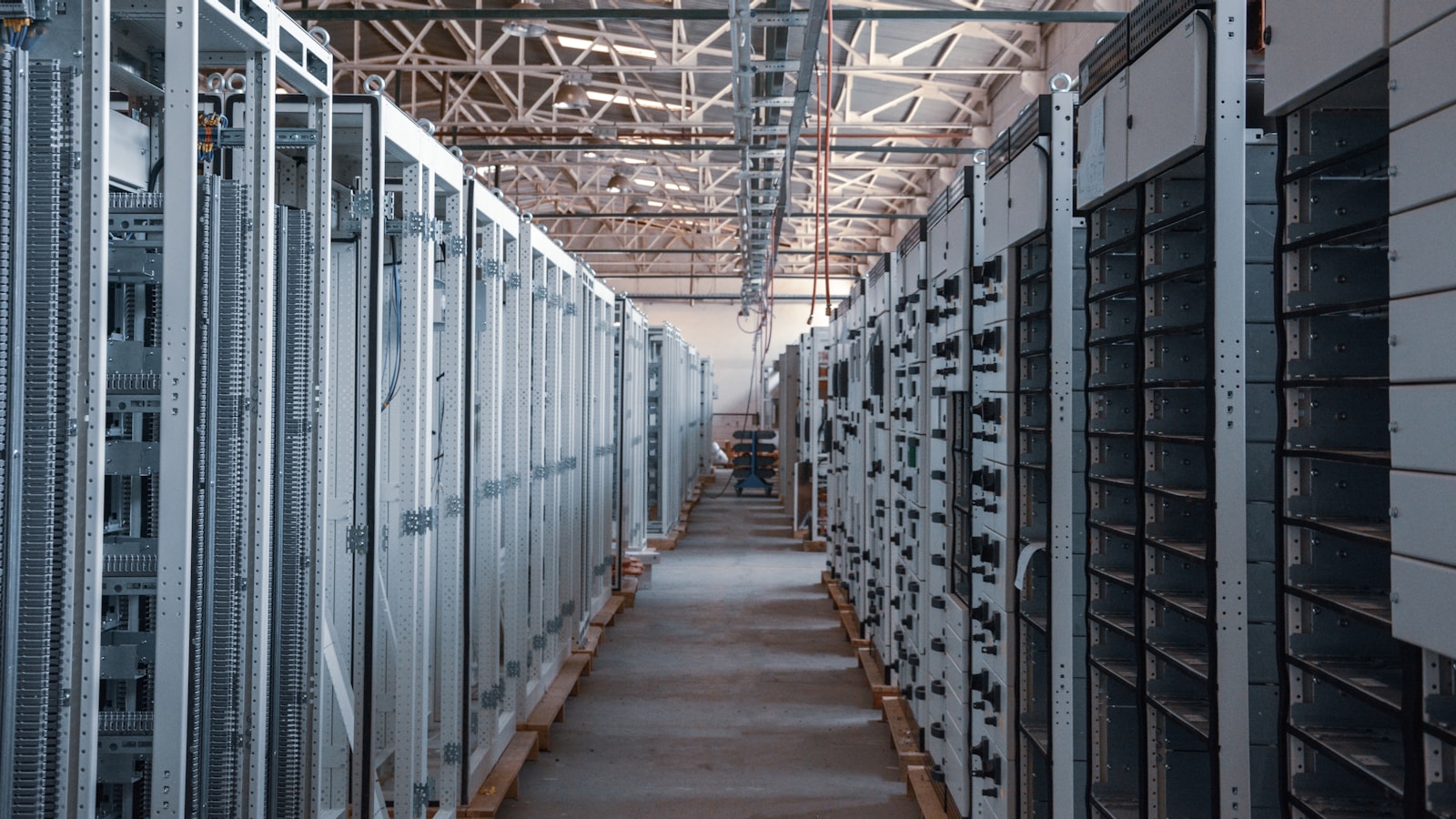
05 data center server room aisle with metal equipment racks lVZjvw u9V8

Field Oversight Efficiency

Centralized

map-based monitoring vs. manual site checks

Reduces need for phone calls or physical visits to confirm field-device status.

Issue Response Time

Faster

near-real-time alerts vs. periodic review

Enables quicker intervention when sensor readings flag an anomaly, limiting downtime or loss.

Manual Reporting Effort

Reduced

manual reporting effort

Automated dashboards replace manually compiled field-status reports.

Methodology

Our Methodology

01

Signal — Capture what matters from the field

We start by identifying the most important field signals, such as office status, service activity, performance indicators, issue alerts, or operational conditions. The goal is to focus only on the data that helps leaders act faster.

02

Standardize — Make every location comparable

We define clear performance rules and measurement standards, so each field office or location can be reviewed in the same way. This helps reduce confusion caused by different reporting formats, different definitions, or manual updates.

03

Command — Turn data into a clear command view

We design a centralized view where leaders can monitor performance, spot exceptions, and understand which locations need attention. The goal is not just to show data, but to make the next action clear.

04

Improve — Build a stronger response loop

After launch, we review field patterns, recurring issues, response time, and performance trends. This helps companies improve their operations, adjust priorities, and make better decisions over time.

Result

Problems It Solves

Leaders often manage many offices, branches, or operational sites without a clear real-time view of what is happening in each location. Important updates may be hidden in reports, chats, or separate systems, making it difficult to compare performance. Field Intelligence Command Center helps leaders see field activity in one place so they can understand location status faster.

Operational problems can grow quickly when teams only discover them after manual reports arrive or customers complain. Late detection can affect service quality, productivity, and cost. Field Intelligence Command Center makes it easier to identify problems earlier through visible indicators and operational signals before they become bigger risks.

Field performance is often tracked through manual reports, spreadsheets, calls, or messages from each location. This creates delays, inconsistent formats, and extra coordination work for managers. Field Intelligence Command Center reduces reliance on slow manual reporting by connecting key field signals into a more structured view.

Different locations may report performance using different definitions, timing, or formats. This makes it hard to know which site is doing well, which one needs support, and which metric can be trusted. Field Intelligence Command Center creates a clearer standard for comparing performance across locations.

When managers do not have a clear priority view, they may spend too much time finding the problem before they can respond to it. Slow response can let small issues turn into larger operational disruptions. Field Intelligence Command Center helps teams know which issue needs attention first, so action can be taken faster.

Operational data may be spread across devices, field teams, branch systems, reports, and manual updates. When these signals are disconnected, leaders cannot easily turn information into decisions. Field Intelligence Command Center connects field signals into a more useful view for monitoring, comparison, and action.

When performance is difficult to see or compare, accountability across locations becomes weaker. Teams may not know which actions are expected, and leaders may struggle to review recurring issues objectively. Field Intelligence Command Center makes site performance easier to review, measure, and improve over time.

Contact Us

Want to Validate a Field Intelligence Command Center Use Case?

Let’s shape your idea into a focused validation track.

Book Discovery Call